The Hidden Choices That Shape How You Age
Heather Otterbine
June 15, 2026
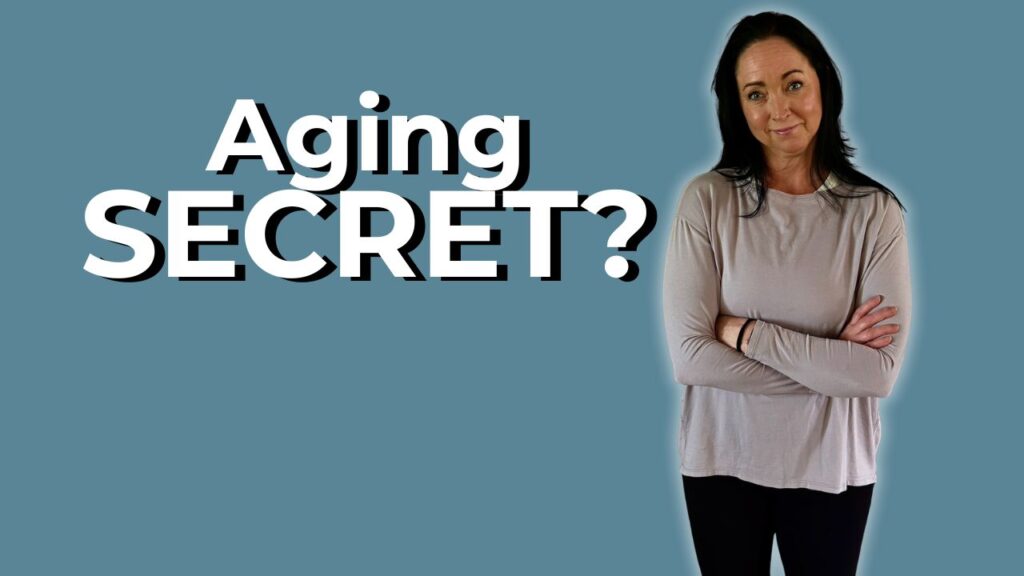
Most people think aging happens all at once.
One day you’re young.
The next day your knees hurt, you need reading glasses, and you’re making noises every time you stand up.
If you’re over 40, you probably laughed a little.
Because you know exactly what I’m talking about.
One day you bend down to pick something up and a sound comes out of your body that you didn’t authorize.
Where did that come from?
Who approved this?
And perhaps more importantly…
Should I be concerned?
The truth is, most people think aging happens in dramatic moments.
A diagnosis.
An injury.
A fall.
A birthday with a number that suddenly feels very large.
But in my experience, that’s not really how aging works.
Aging is often shaped by hundreds of small choices that accumulate over time.
And that’s actually very good news.
Because it means you have more influence than you may think.
Watch the Video
👉 Take Me To The YouTube Video
Grab Your Free EveryDay Athlete Checklist
If you’re ready to take a more active role in how you age, I’ve created a FREE EveryDay Athlete Checklist to help you identify key areas that support strength, balance, mobility, resilience, and lifelong movement.
👉 Download the EveryDay Athlete Checklist Here
The Myth of Overnight Aging
We love dramatic stories.
They’re easier to notice.
But most changes in the human body don’t happen overnight.
They happen gradually.
Little by little.
Day after day.
Year after year.
The challenge is that when changes happen slowly, they’re easy to ignore.
Until one day they’re not.
One day getting up from the floor feels harder.
One day carrying groceries feels heavier.
One day your balance feels less reliable.
And it can feel like it happened suddenly.
But often, those changes have been quietly developing for years.
The Choices That Nobody Talks About
When people think about healthy aging, they often think about exercise.
And movement absolutely matters.
But some of the most important choices that shape how we age aren’t the flashy ones.
They’re the everyday choices.
Things like:
- Getting enough sleep
- Managing stress
- Eating in a way that supports your body
- Maintaining muscle mass
- Practicing balance
- Staying socially connected
- Continuing to learn new things
- Moving regularly throughout the day
None of these make exciting headlines.
Nobody is creating viral content about getting to bed on time.
But they matter.
A lot.
Your Body Is Always Paying Attention
This is where I often talk about Body Literacy.
And Body Literacy is really just understanding your body.
Understanding what it’s telling you.
Understanding what it needs.
And recognizing when those needs begin to change.
Because they do change.
The things your body needed at 25 may not be the same things it needs at 55.
Or 65.
Or 75.
The more body literate we become, the more intentionally we can respond.
Instead of waiting until something becomes a problem.
The Compound Effect of Small Choices
Here’s what I’ve observed after years of teaching.
Healthy aging rarely comes from one massive decision.
And loss of capacity rarely comes from one bad decision.
It’s usually the accumulation of many small choices.
A walk.
A strength session.
A good night’s sleep.
A nutritious meal.
A balance practice.
A stress management habit.
One choice by itself may not seem important.
But over time?
They add up.
And that’s the real “secret.”
Not a supplement.
Not a gadget.
Not a miracle cure.
Small choices.
Repeated consistently.
Over time.
What Are You Teaching Your Body?
One of my favorite questions is this:
What are you teaching your body right now?
Because your body is always adapting.
Always learning.
Always responding.
The question isn’t whether adaptation is happening.
The question is what direction it’s moving.
Toward greater capacity?
Or less?
Toward greater confidence?
Or less?
Toward greater adaptability?
Or less?
Those are the choices that quietly shape how we age.
Final Thoughts
I think one of the most empowering things about aging is realizing that we are not powerless.
No, we don’t control everything.
Life happens.
Bodies change.
Challenges arise.
But we still have influence.
And that influence often shows up in the small decisions we make every day.
The choices that seem insignificant in the moment often become significant years later.
That’s why I believe healthy aging isn’t about staying young.
It’s about staying capable.
It’s about continuing to participate fully in the life you want to live.
And that journey starts with awareness.
Ready to Take the Next Step?
Download my FREE EveryDay Athlete Checklist and start identifying simple ways to support your strength, mobility, balance, resilience, and confidence for years to come.
Similar Posts
October 26, 2026
What Happens When Life Stops Challenging Your Body?
The hidden tradeoff of convenience—and why keeping your options open matters as you age. We’ve gotten remarkably good at making life easier. We invented cars so we wouldn’t have to...

October 22, 2026
Yoga Teachers: Stop Confusing Popularity With Skill
Yoga Teachers: Stop Confusing Popularity With Skill Why a full classroom isn’t proof of excellent teaching—and an empty mat isn’t proof of failure. Some of the best yoga teachers I’ve...
October 19, 2026
Why Was This Getting Harder? Maybe Discipline Wasn’t the Problem.
There was a time when I was teaching ten to eighteen yoga and Pilates classes every week. I was active. I exercised regularly. I ate well. I understood the importance...

October 15, 2026
Your Yoga Practice Is Not Your Teaching Qualification
What your personal practice demonstrates—and what it doesn’t tell us about your ability to teach. Yoga teachers, can we talk about something that’s been kinda bugging me for years? Why...
October 12, 2026
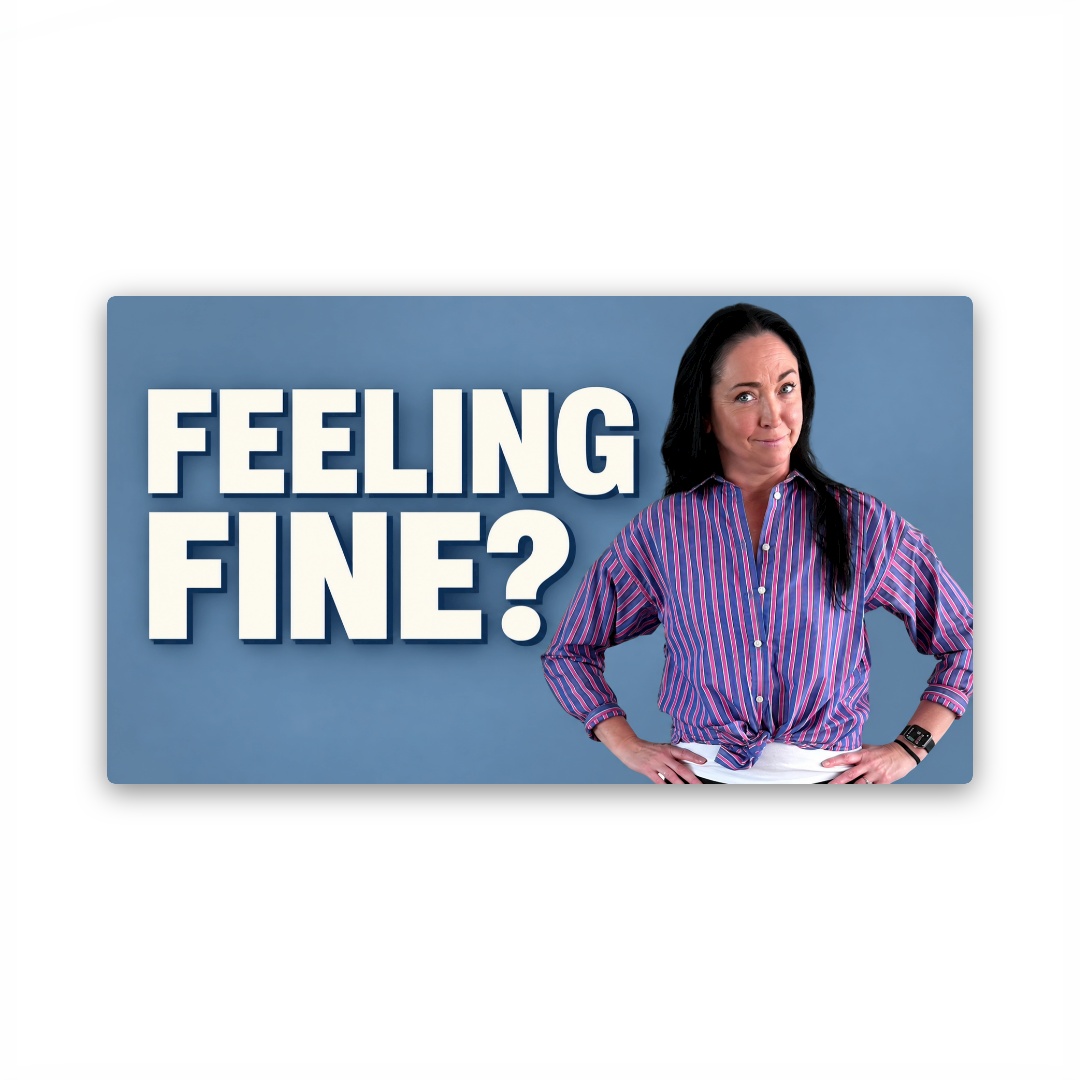
Feeling Fine Isn’t the Same as Being Prepared
“I’ll worry about it when I have to.” I’ve heard people say that about their health and physical abilities for years. And I understand it. When nothing hurts and you’re...

October 8, 2026
Yoga Teachers, You Need Better Questions.
What if becoming a more confident yoga teacher isn’t about having more answers, but learning to ask better questions? 🎥 Prefer to watch? Sometimes the most useful thing a yoga...

October 5, 2026
Your Life Might Be Getting Easier—And That’s Not Always Good News
Your life might be getting easier. And that sounds like a good thing, right? In a lot of ways, it absolutely is. We have groceries delivered to our doors. We...
October 1, 2026
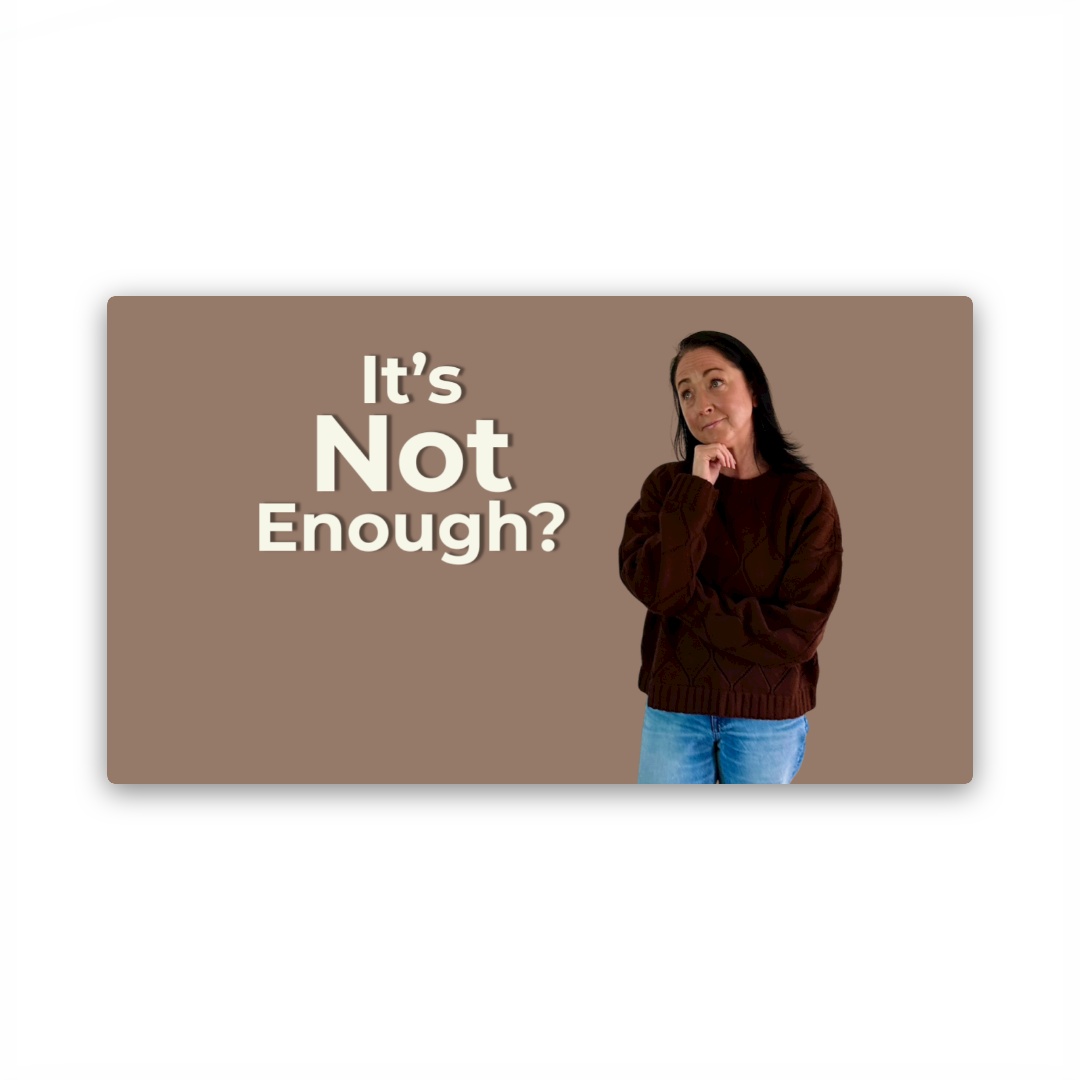
Knowing Anatomy Isn’t Enough: What Makes a Better Yoga Teacher?
You can know a whole lot of anatomy and still not know what to do with the person standing in front of you. Imagine you’re teaching a yoga class and...
September 27, 2026
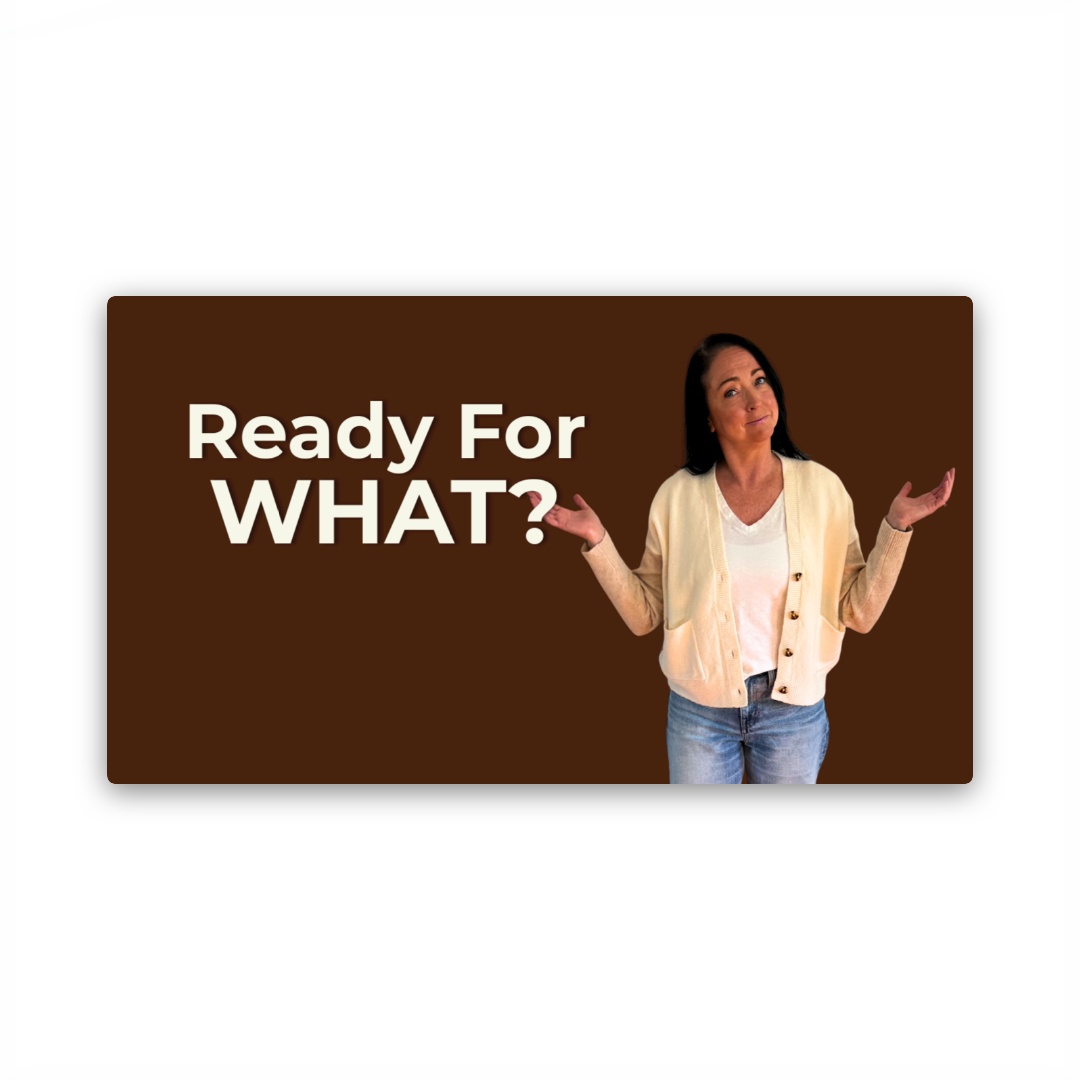
Life Changes the Assignment: Is Your Body Ready?
Why preparing your body for everyday life means building more physical capacity than you currently need. 🎬 Prefer to Watch? Sometimes it’s easier to see an idea come to life...
September 23, 2026
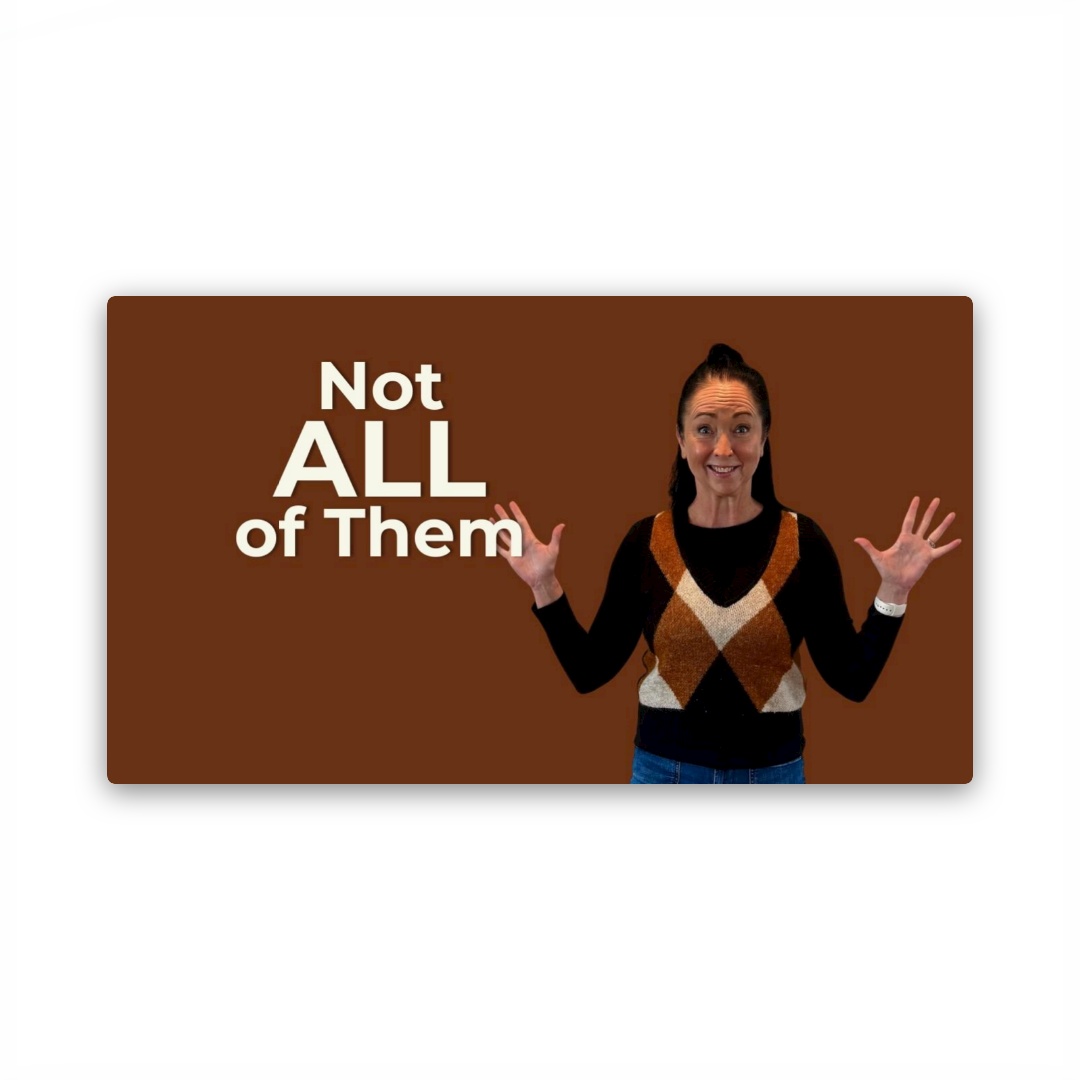
A Good Yoga Teacher Doesn’t Need to Have All the Answers
A Good Yoga Teacher Doesn’t Need to Have All the Answers Has a student ever said something like: “I feel something weird in my knee when I do this.” And...